
Why move to Dumfriesshire? Because sometimes moving home is less about getting somewhere faster and more about deciding what deserves more space in everyday life.
Dumfriesshire sits in southern Scotland, where market towns, open countryside, historic communities and routes towards both central Scotland and northern England create a distinctive alternative to larger urban areas.
Dumfries provides the area’s main town centre, while Annan, Lockerbie, Moffat, Gretna, Thornhill, Langholm and Sanquhar each offer something different. Some people may be drawn by more space. Others may value a smaller community, countryside access, cross-border connections, or the chance to buy a type of property that would cost considerably more elsewhere.
That variety is the real answer to why you should move to Dumfriesshire. The question is not simply whether rural Scotland appeals. It is whether the particular town, village or property fits the life you want after the move.
When you reach the financial stage, Mortgage Brokers in Dumfriesshire can help you compare advisers who cover the wider area.
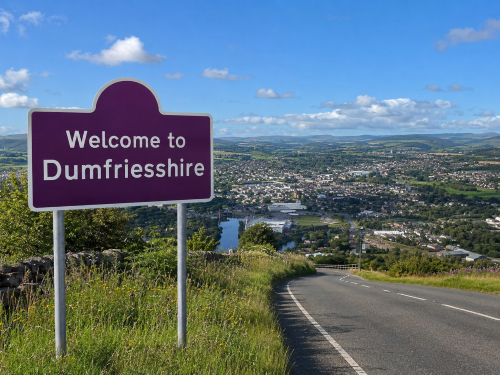
Market Towns, Border Links and Open Country Shape Life Here
Dumfriesshire should not be thought of as one uniform rural location.
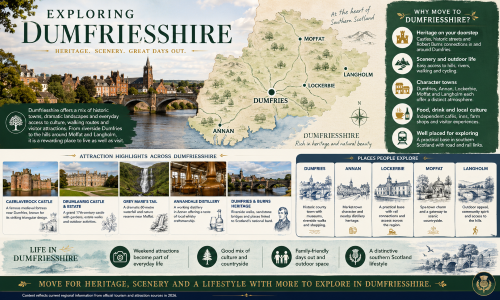
Dumfries is the area’s principal town, with shopping, healthcare, education, employment and cultural services centred around the River Nith.
Annan has a strong border character and sits close to routes towards Carlisle and the Solway coast.
Lockerbie combines a smaller-town setting with the practical advantage of the M74 and West Coast Main Line.
Gretna has particularly close links with the English border.
Moffat has a very different feel, with historic streets, surrounding hills and strong access to outdoor recreation.
Further north and west, Thornhill, Sanquhar and smaller rural communities provide quieter settings where buyers may find stone-built homes, cottages, detached houses or properties with land.
That range matters.
One household asking why move to Dumfriesshire may want access to Dumfries and Carlisle.
Another may want a village home away from busier commuter centres.
A third may be planning retirement and value scenery, community, and space more than proximity to a city centre.
Dumfriesshire can serve each of those priorities in a different way.
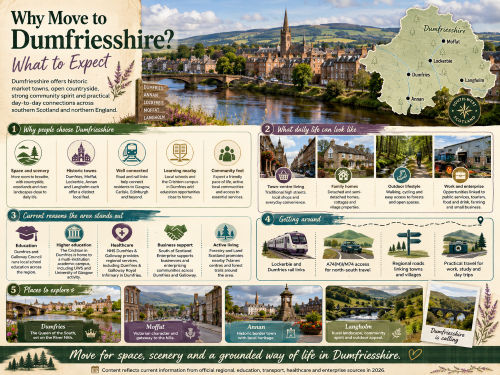
Property in Dumfriesshire Can Offer Very Different Choices
Official statistics are now published for the wider Dumfries and Galloway local authority rather than Dumfriesshire as a separate modern administrative area.
The latest ONS figures recorded an average house price of £170,000 in July 2026, up 4.6% from £162,000 a year earlier. First-time buyers paid an average of £143,000, while homes bought with a mortgage averaged £166,000.
Average property prices by type were:
- Detached homes: £260,000
- Semi-detached homes: £170,000
- Terraced homes: £137,000
- Flats and maisonettes: £88,000
These are regional averages rather than valuations for individual Dumfriesshire homes.
That distinction is important because buyers may be comparing very different properties:
- a townhouse in Dumfries;
- a terrace in Annan;
- a detached family home around Lockerbie;
- a traditional property in Moffat;
- a stone cottage near Thornhill;
- a rural house with land or outbuildings;
- a bungalow suited to later-life plans;
- a modern development close to a larger town.
Older stone construction, private drainage, private water, acreage, agricultural restrictions, outbuildings, and limited comparable sales can all affect a lender’s assessment of some rural properties.
For first-time buyers, a First-Time Buyer Mortgage Guide can explain deposits, affordability, and the mortgage application process.
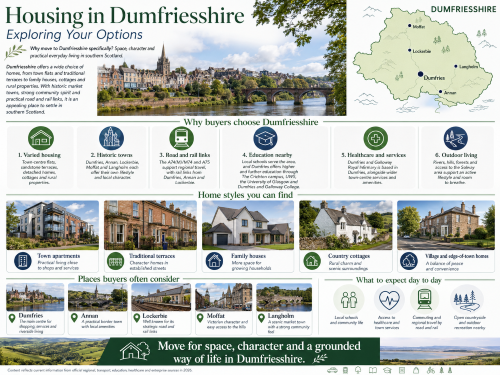
Education in Dumfriesshire Is Closely Connected to Community

Education decisions can influence where a family chooses to live, but in Dumfriesshire the practical questions are often different from those in a major city.
Families may need to consider:
- distance from primary and secondary schools;
- school transport;
- rural journey times;
- childcare;
- access to further education;
- whether older children may need to travel;
- how education costs fit with wider household spending.
Dumfries is the main education centre for the wider area and includes further and higher education provision at the Crichton campus.
Smaller communities can offer a very different school journey, so it is worth checking catchments, travel arrangements and local provision before committing to a property.
Work in Dumfriesshire Is Shaped by a Rural Economy
Not everyone moving to Dumfriesshire commutes elsewhere.
The wider Dumfries and Galloway economy has long been shaped by agriculture, forestry, tourism, food processing, and renewable energy. Dumfries also supports employment in healthcare, education, retail, public services and professional occupations.
This creates mortgage applicants whose income may not always fit a simple monthly salary.
Some households may receive:
- farming or agricultural income;
- seasonal income;
- self-employed earnings;
- company-director income;
- overtime;
- several part-time incomes;
- tourism-related income;
- contract earnings;
- income from land or property.
These differences matter because lenders assess income differently.
A person moving to Dumfries for a healthcare role may have a straightforward employed application.
A business owner in Annan may use salary and dividends.
A household running a rural business may have accounts, seasonal income or several income streams.
For these applicants, the mortgage question is not simply how much they earn. It is how the lender recognises and evidences that income.
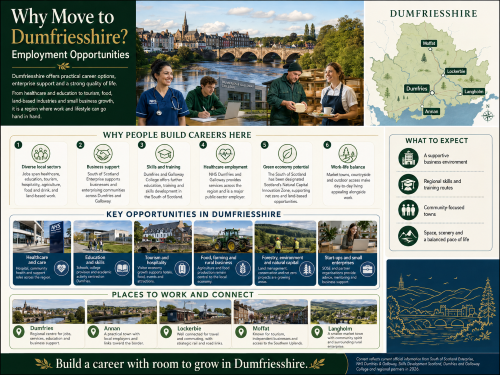
Mortgage Planning Should Start Before the Offer Is Made
A property search is easier when buyers start mortgage planning before they commit to a home.
Dumfriesshire can involve borrowing for properties that do not always resemble standard suburban housing.
A lender may need to consider:
- deposit size;
- loan-to-value;
- affordability;
- construction type;
- acreage;
- outbuildings;
- private drainage;
- private water;
- access rights;
- agricultural ties;
- recent comparable sales;
- condition and valuation.
Someone buying a conventional home in Dumfries may face a much simpler assessment than somebody purchasing a detached rural property outside Moffat or Thornhill.
For buyers comparing different parts of the county, Find a Mortgage Adviser by Location can help identify advisers who cover the areas being considered.
The useful question is not only:
How much could I borrow?
It is also:
What type of property will that borrowing realistically allow me to buy?
That distinction becomes especially important in rural areas.

Larger Rural Homes Can Bring More Complex Borrowing

Dumfriesshire should not be presented as a high-net-worth county simply because it contains large rural homes.
However, the area does include detached properties, estates, substantial country houses, and homes with land, where mortgage requirements may be larger or technically more complex.
The ONS figures illustrate the difference between property types. Detached homes across Dumfries and Galloway averaged £260,000 in July 2026, compared with £137,000 for terraced homes.
Some applicants may also have wealth that does not appear as a conventional salary.
That could include:
- retained company profits;
- investment income;
- partnership income;
- agricultural assets;
- land;
- property portfolios;
- several businesses;
- substantial savings or investments.
Where the borrowing requirement or income structure falls outside mainstream assessment, experience with High Net Worth Mortgage Brokers may be relevant.
The important point is not status.
It is whether the lender can understand the borrower’s full financial position.
Later-Life Moves Can Change What Matters Most
For some households, why move to Dumfriesshire becomes a later-life question rather than a career or family decision.
A move may involve:
- downsizing;
- moving closer to family;
- reducing household costs;
- leaving a city;
- buying a bungalow;
- finding more outdoor space;
- moving into a smaller community;
- considering how housing wealth fits into retirement.
Moffat, Thornhill, Dumfries and smaller villages may appeal to people whose priorities have shifted away from commuting.
The mortgage questions can change too.
Someone approaching retirement may need to consider pension income, remaining mortgage debt, term length, and whether downsizing releases enough capital.
Homeowners considering releasing property wealth can explore Equity Release Advisers in Dumfriesshire.
Equity release is a specialist later-life decision, not an ordinary residential mortgage. It can reduce the value of an estate and may affect entitlement to means-tested benefits.

Road and Rail Connections Matter More Than Distance Alone
Transport is an important part of deciding whether Dumfriesshire works in everyday life.
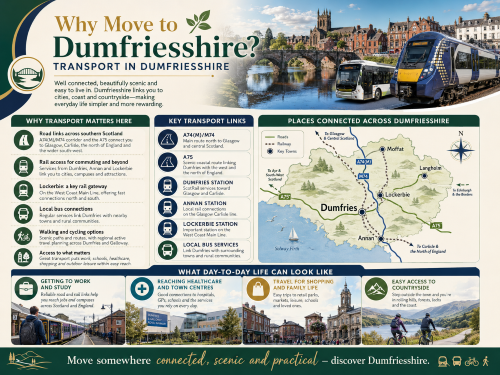
The M74 provides the principal north-south motorway route through eastern Dumfriesshire, connecting towards Glasgow and northern England.
Lockerbie sits close to the M74 and has a station on the West Coast Main Line.
Dumfries and Annan are served by rail on the route between Glasgow, Kilmarnock and Carlisle. Transport Scotland identifies Dumfries as the principal station on that corridor.
The A75 provides an important east-west route through the wider region, while the A76 connects Dumfries north towards communities such as Thornhill and Sanquhar.
But maps can make rural travel appear simpler than it is.
Before choosing a property, consider:
- distance to the nearest station;
- frequency of public transport;
- access to the M74 or A75;
- school journeys;
- fuel costs;
- winter driving;
- hybrid-working patterns;
- how often a trip to Dumfries, Carlisle or Glasgow will actually be necessary.
A cheaper rural property can become less economical if every regular journey requires a long drive.
Food, Local Produce and Everyday Life Have a Strong Regional Identity
Moving somewhere is not only about the house.
It is also about what everyday life looks like once the removal boxes have gone.
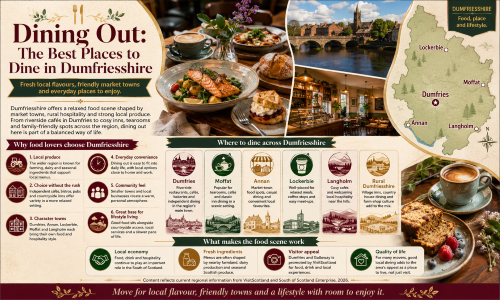
Dumfries provides cafés, restaurants, shops and established town-centre services.
Moffat has a smaller independent hospitality scene shaped by visitors and local residents.
Thornhill, Annan and Lockerbie each offer local shops, cafés and places to eat, while rural communities rely more on nearby market towns.
The wider region has close links to agriculture and food production, so local produce and farming remain part of its identity. The council’s economic planning documents identify food processing and agriculture as important parts of the regional economy.
For someone moving from a large city, the difference may be noticeable.
There may be fewer choices within walking distance.
But there may also be:
- easier access to countryside;
- local producers;
- independent businesses;
- quieter town centres;
- stronger links between communities and surrounding farmland.
Whether that feels limiting or attractive depends on the life a buyer wants.
Dumfriesshire Can Suit Different Chapters of Life
The answer to why move to Dumfriesshire may look completely different at different ages.
A first-time buyer may compare Dumfries, Annan, or Lockerbie because the numbers are more achievable than in many larger UK markets.
A family may prioritise schools, space and access to Dumfries.
A remote worker may prefer a village or rural property but need to check broadband and transport.
A business owner may value access to the M74 or the English border.
Someone approaching retirement may look to Moffat, Thornhill, or a smaller community where scenery and pace matter more than commuting time.
That flexibility is part of Dumfriesshire’s appeal.
But every move involves trade-offs.
More space can mean longer journeys.
Lower property prices can come with fewer nearby services.
A rural setting can offer privacy but also bring different property and mortgage considerations.
A good move is one where those compromises still make sense several years after the keys are collected.
Browse Our Advisers That Covers Dumfriesshire
Once a location starts to feel right, the next question is whether the mortgage fits both the property and the buyer.
Connect Experts lets users compare advisers by location, expertise, language, and other relevant preferences.
A buyer purchasing a conventional house in Dumfries may require something different from a self-employed applicant buying a rural property with land.
That is why adviser experience can matter as much as physical distance.
Use the Connect Experts adviser directory to compare advisers whose stated experience reflects the decision you need to make.
Connect Experts is a directory and matching platform. It does not provide mortgage advice directly. Mortgage advice is provided by the adviser or firm selected.




People who found this page helpful also explored these related topics:
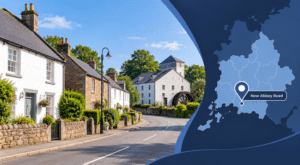
Mortgage Broker in New Abbey Road: Mortgage Advice for DG2
Mortgage Broker in Wanlockhead: A Clearer Route to Finance
Mortgage Broker in Thornhill DG3: Make Every Mortgage Option Count
Mortgage Broker in Sanquhar: Clear Expert Advice, Better Decisions
Moniaive Mortgages: Expert Guidance for DG3 Buyers
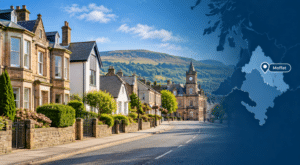
Mortgage Broker in Moffat: Strong Expert Mortgage Decisions
Neighbouring Counties
FAQs: Why Move to Dumfriesshire?
Is Dumfriesshire the same as Dumfries and Galloway?
Not exactly. Dumfriesshire is a historic county in southern Scotland. Modern local-authority services and official statistics are generally published under Dumfries and Galloway, which covers a wider area. That is why the current housing data on this page is reported under Dumfries and Galloway rather than Dumfriesshire alone.
Is Dumfriesshire suitable for buyers moving from England?
This can be especially true for people who want to stay within reach of northern England. Gretna, Annan and Lockerbie have strong cross-border connections, while the M74 and rail routes provide access towards Carlisle and further south. Buyers should remember that the Scottish property-buying process differs from the system in England and Wales.
Which Dumfriesshire areas suit buyers who want a rural lifestyle?
Moffat, Thornhill, Sanquhar, Langholm and surrounding villages can provide a stronger rural or small-community feel. The right choice depends on access to employment, schools, healthcare, transport, and the type of property you need.
Are homes in Dumfriesshire cheaper than the Scottish average?
The average house price in Dumfries and Galloway was £170,000 in July 2026, compared with £196,000 across Scotland. That does not mean every Dumfriesshire property is cheaper. Detached homes, rural homes with land and individual period properties can cost considerably more than the regional average.
What should I check before buying a rural property in Dumfriesshire?
Check more than the asking price. Construction, access, drainage, water supply, land, outbuildings, agricultural restrictions, insurance and comparable sales can all matter. These factors may also influence lender valuation and mortgage availability.
Does living in Dumfriesshire mean relying on a car?
Not everywhere, but rural location can make car use more important. Dumfries, Annan and Lockerbie have rail connections, while major roads include the M74, A75 and A76. Buyers considering villages or countryside locations should check actual journey times and public transport rather than relying only on distance.